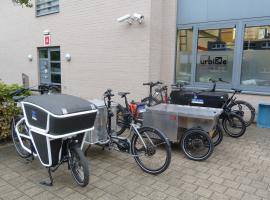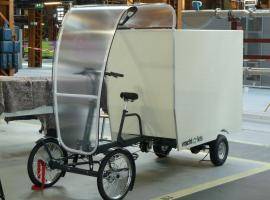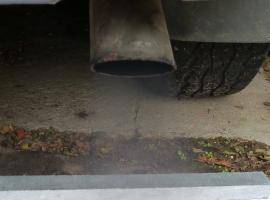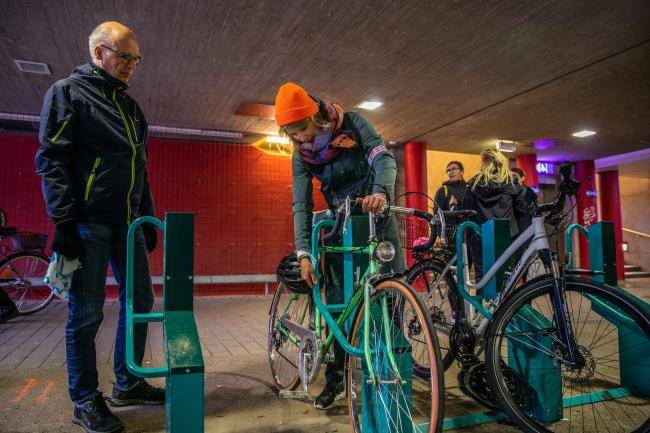
The Cairgo Bike project is designed as a tool to help tackle persistent conditions of poor and damaging air quality experienced in many European cities today. The industrial urban smogs of the 1950’s and 60’s have largely been replaced by a creeping and often invisible threat to urban living and public health. EU and independent estimates suggest that at least 400,000 premature deaths result from air pollution each year. While ambient air pollution derives from a mix of sources, activities and conditions (industry, buildings, weather…), transport represents a significant part of that mix, particularly in relation to the impact of particulate and black carbon emissions in the urban context. In Brussels transport is the major source of NOx pollution and during the last decade emission levels exceeded EU thresholds. Undoubtedly progress is being made on reducing vehicle exhaust emissions through improvement in engine technology (Euro 6), take-up of hybrid and e-vehicles and urban area LEZ zones, but intensifying this momentum is essential to address significant public health issues. City traffic and transport discharging at street level, close to citizens, homes, schools, work places, is finally recognised as a major contributor to a dangerous “urban bad”. Citizens are aware that there is a problem. They can smell, even feel, that something is not quite right with the air they breathe but they have become accustomed, that it is some form of normality - a price to pay for accessibility, easy and quick delivery, mobility in general. This first Cairgo Bike project Journal sets out to confront the reasoning and plan behind the initiative, with a set of potential challenges to be addressed and identified through the UIA programme.